At our practice, we want you to know that a healthy smile begins with healthy gums. Your gums support your teeth, and their condition affects your overall health. Many people ignore the first signs of gum disease, often dismissing them as minor issues. However, recognizing these symptoms early can make a significant difference in preventing more serious complications later. We aim to educate our patients so you can take charge of your oral health. Knowing when to seek professional care puts you in control of your smile, now and in the future.
Gum disease, also called periodontal disease, progresses if left untreated and can result in tooth loss and other health problems. It starts when plaque, a sticky film of bacteria, gathers along the gumline. When you do not remove plaque through daily brushing and flossing, it hardens into tartar, which only a dental professional can remove. This buildup causes inflammation in the gums, marking the start of gum disease. We want to help you spot the signs that mean you should consider gum disease treatment.
Understanding Gingivitis: The First Stage
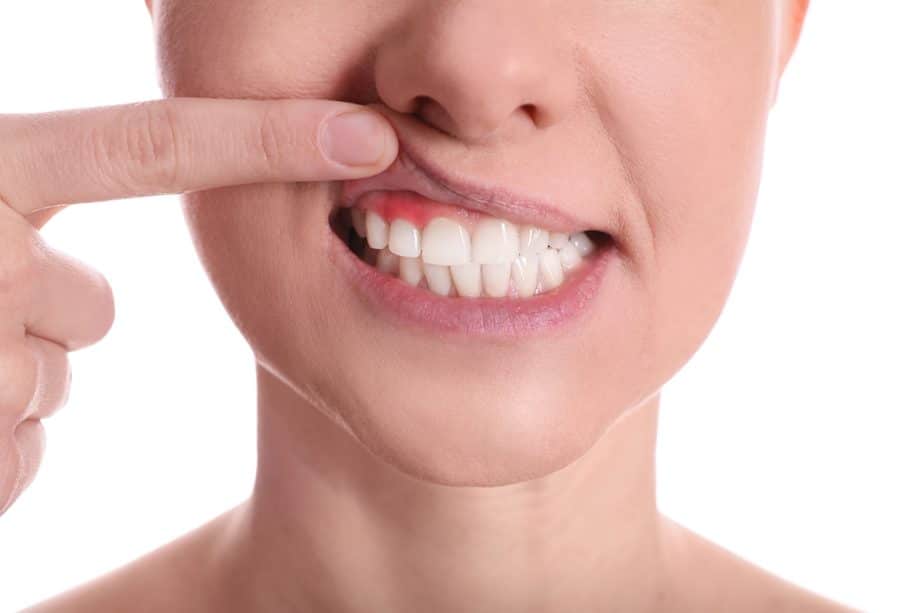
Gingivitis starts the process of gum disease. At this stage, the infection affects only your gums; the bone and fibers that support your teeth remain unaffected. The good news is that you can reverse gingivitis with professional care and consistent home efforts. We see many patients who do not realize they have gingivitis because symptoms can appear mild. The most common sign is gum inflammation—making gums look red and swollen and bleed easily, especially when brushing or flossing. You may also notice persistent bad breath or a bad taste in your mouth that does not improve.
If you notice these symptoms, schedule a dental check-up as soon as possible. Letting them worsen can lead to more severe gum disease. During an examination, we check your gums for inflammation and measure the depth of the small pockets between your teeth and gums. Healthy gums have shallow pockets. For gingivitis, we usually provide a professional cleaning to remove plaque and tartar, along with advice for improving your oral hygiene. We emphasize that early treatment stops gingivitis from advancing to more serious periodontal disease.
Recognizing Periodontitis: When the Damage Becomes Serious
If you do not treat gingivitis, it can progress to periodontitis. In this stage, inflammation spreads from your gums into the bone and connective tissues that support your teeth. Your immune response combines with the bacterial toxins and begins to break down the support they provide. As periodontitis progresses, the gums begin to pull away from the teeth, forming deeper pockets. These infected pockets trap more plaque and bacteria, speeding up the damage.
The Warning Signs of Periodontitis
You should look out for these signs and seek dental care promptly if you notice:
- Gums that appear bright red, purplish, or feel tender to the touch.
- More bleeding when you brush, floss, or eat.
- Gums receding and making your teeth appear longer.
- New spaces are developing between your teeth.
- Pus between your teeth and gums when you press on the gums.
- A change in how your teeth fit together when you bite.
- Teeth that feel loose or seem to shift.
These symptoms show that the infection is harming the bone anchoring your teeth. If you do nothing, you can lose more bone and eventually lose teeth. We use diagnostic tools, including dental X-rays, to measure bone loss and determine the severity of periodontitis.
Advanced Periodontitis and Its Systemic Impact
Advanced periodontitis is the most severe form of gum disease. At this point, you can lose significant bone, experience severe gum recession, and your teeth may become very loose or even fall out. Infections can cause painful abscesses and widespread discomfort, making it challenging to eat and speak easily. You will need more intensive treatments to save any remaining teeth and recover your oral health.
Connecting Oral Health to Overall Health
Advanced periodontitis can affect areas beyond your mouth. Ongoing inflammation from gum disease can worsen or contribute to other health conditions. Bacteria from infected gums can enter your bloodstream and affect different parts of your body. We always consider your overall wellness, as research links severe gum disease to higher risks for cardiovascular disease, stroke, diabetes, respiratory infections, and pregnancy complications. Treating gum disease goes beyond saving your teeth—it protects your total health.
Your Treatment Options for Gum Disease
We recommend a treatment plan based on the extent of your gum disease. Our main goal is to control infection, stop disease progression, and restore the health of your gums. If you have early-stage gingivitis, professional dental cleaning and better home care often suffice. For more advanced periodontitis, we suggest more comprehensive options.
Scaling and Root Planing
With moderate periodontitis, we usually recommend scaling and root planing—a deep-cleaning procedure tailored for your needs. During scaling, we remove plaque and tartar above and below the gumline. Next, we use root planing to smooth the tooth roots, which encourages the gums to reattach and prevents bacteria from hiding in rough surfaces. We use these methods to eliminate infection and create a clean foundation for healing. You may need more than one visit based on how advanced the disease is. We also provide a range of periodontal procedures if you need more complex care to repair tissues or protect your oral health.
Take Control of Your Gum Health Today
Noticing symptoms of gum disease and acting quickly gives you the best chance for a healthy mouth and strong body. Your body consistently sends signals, from the mild bleeding of gingivitis to more noticeable signs in advanced stages. Listen to these warnings and contact caring professionals when needed. Our team stands ready in Rapid City to provide accurate diagnosis and proven treatment so you can stop gum disease and regain confidence in your smile.
Frequently Asked Questions About Periodontal Procedures
What is the difference between a regular cleaning and a deep cleaning?
A regular dental cleaning, or prophylaxis, removes plaque and tartar from your teeth above the gumline. You receive preventive care when your gums are healthy. Deep cleaning, called scaling and root planing, treats active gum disease by cleaning below the gumline and removing bacteria and tartar from roots and gum pockets to eliminate infection.
Is treatment for gum disease painful?
We work hard to keep you comfortable during all procedures. For scaling and root planing, we use a local anesthetic so you feel no pain during treatment. You may feel mild gum sensitivity or soreness for a few days afterward, but you can typically manage this with over-the-counter pain medicine. We always explain post-procedure care, so your healing experience stays as easy as possible.
At Wilson Park Dental, we dedicate ourselves to providing thorough, compassionate dental care for families throughout Rapid City and nearby communities. Our team uses the latest technology to ensure every patient benefits from outstanding treatment in a comfortable setting. If you are concerned about your gum health or want to schedule your next appointment, please connect with us today.