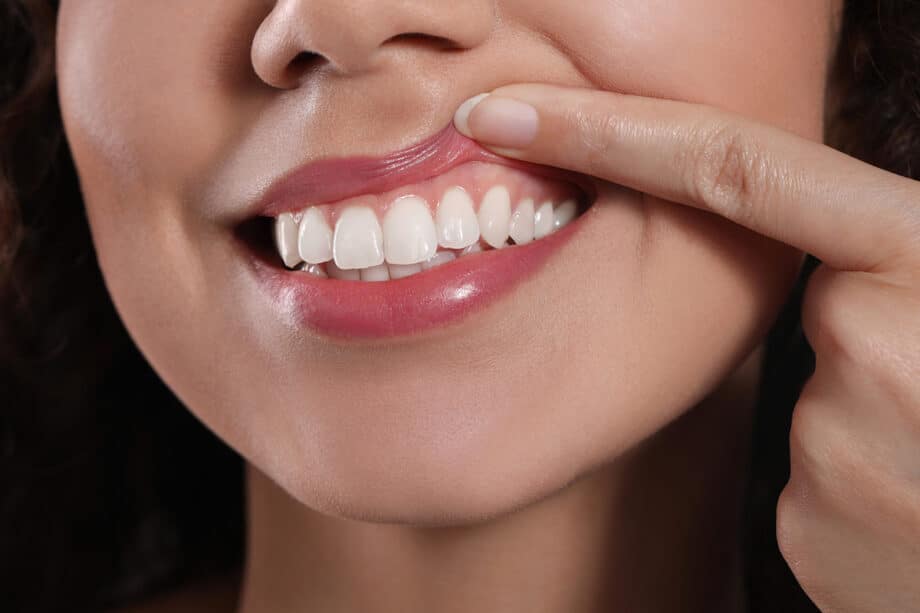
Most people don't think about their gums until something feels wrong — but by then, the early signs of recession may already be underway. Your gum tissue forms a protective seal around each tooth, shielding sensitive roots and anchoring your smile. When that tissue begins to pull back, it exposes root surfaces that weren't built for the wear of daily life, leaving teeth more vulnerable to sensitivity, decay, and — over time — potential loss. The good news is that gum recession is largely preventable, and the steps that protect your gums are ones you can start today.
Gum recession touches patients of all ages, and its causes are more varied than many people realize — aggressive brushing, tobacco use, plaque buildup, and even genetics can all play a role. What that means for you is good news: most of the factors that drive recession are ones you can actually influence. Understanding what puts your gums at risk is the first step toward protecting them, and that's exactly what we're here to help you do. In this guide, we'll walk you through the daily habits and professional care that make the biggest difference — practical steps you can start right away.
Brush Smarter, Not Harder
One of the most common contributors to gum recession is also one of the easiest to fix: brushing with too much pressure. When you scrub vigorously—especially with a medium- or hard-bristled toothbrush—you gradually wear away gum tissue instead of cleaning it. Over time, that repeated friction causes the gumline to migrate downward, exposing root surfaces.
Choose the Right Brush and Technique
A soft-bristled toothbrush is the right tool for the job. Hold it at a 45-degree angle toward your gumline and use short, gentle circular strokes to remove plaque without irritating the tissue. Electric toothbrushes with built-in pressure sensors are a great option if you tend to press too hard — they give you a gentle signal to ease up before any damage occurs. Swap out your brush every three to four months, or whenever the bristles start to splay, because worn bristles are less effective and harder to control.
Brush for the Right Amount of Time
Two minutes, twice a day — that's the target. Rushing through brushing often leads to pressing harder to compensate, which is exactly the pattern we want to avoid. A calm, methodical approach lets the bristles do their job at the right pressure, and your gums will thank you.
Floss Daily and Support Your Gums With Good Nutrition
Brushing alone leaves a significant portion of your tooth surfaces untouched. Plaque builds up between teeth and just beneath the gumline, and when it hardens into calculus (tartar), only a professional can remove it. Daily flossing interrupts that process before it starts.
Floss With Care
Once-daily flossing removes plaque and food debris from spaces your toothbrush can't reach. Guide the floss gently in a C-shape around each tooth rather than snapping it down against your gums, which can cause the very irritation you're trying to prevent. If standard floss is difficult to use, water flossers and interdental brushes are comfortable and effective alternatives that many of our patients find easy to incorporate.
Eat for Gum Health
What you eat directly influences the health of your gum tissue and the bone that supports your teeth. Foods rich in vitamin C — think citrus fruits, bell peppers, and leafy greens — help maintain the integrity of gum tissue. Calcium-rich foods like dairy, almonds, and leafy greens support the underlying bone structure. On the flip side, frequent sugary snacks and drinks feed the bacteria responsible for plaque and gum irritation. Staying well-hydrated and rinsing with an antimicrobial mouthwash can also help reduce bacterial load between brushing sessions.
Make Regular Dental Visits a Priority
Home care is essential, but it has limits. Even the most thorough brushing and flossing routine cannot remove hardened tartar once it forms — and tartar beneath the gumline is a primary driver of gum disease and recession. Regular visits to our office let us address what home care cannot and catch early warning signs before they require more involved treatment.
What Happens at Your Cleaning and Exam
During your visit, we perform a thorough oral exam and a professional cleaning that removes plaque and calculus above and below the gumline. We also measure your periodontal pockets — the spaces between your teeth and gums — to monitor gum health over time.
Healthy pockets measure between 1 and 3 millimeters. Readings above that range signal that gum disease may be developing and that we need to provide more targeted care. Most patients do well with a visit every six months, though we may recommend a more frequent schedule depending on how quickly you develop calculus and your overall periodontal history.
When Professional Treatment Becomes Necessary
If recession or gum disease is already present, early professional treatment makes a meaningful difference in outcomes. At Wilson Park Dental, we offer a full range of periodontal procedures to address gum concerns at every stage. Scaling and root planing — a non-surgical deep cleaning — uses specialized instruments to remove plaque and calculus from beneath the gumline and smooth the root surface so gum tissue can heal and reattach properly.
For cases where infection persists, we also offer ARESTIN®, a locally applied antibiotic we place directly into the periodontal pocket during scaling and root planing, delivering targeted, sustained treatment at the site of infection. When recession has affected the appearance or structure of your smile, cosmetic periodontal procedures such as soft tissue grafts can help restore your gumline. We tailor every treatment plan to your specific needs and comfort.
Your Gums Deserve Consistent, Caring Attention
Preventing gum recession comes down to a handful of consistent daily habits — a gentle touch when brushing, daily flossing, a diet that supports your tissue and bone, and regular professional care. None of these steps are complicated, and together they give your gums a strong long-term foundation. We genuinely enjoy helping our patients understand and protect their gum health, and we're here whenever you have questions, concerns, or it's simply time for your next visit.
Frequently Asked Questions About Periodontal Procedures
What periodontal procedures does Wilson Park Dental offer?
We provide a comprehensive range of periodontal care, including scaling and root planing (deep cleaning), periodontal maintenance programs, ARESTIN® antibiotic therapy, periodontal splinting for loose teeth, crown lengthening, and soft tissue grafts. We choose each treatment based on your individual periodontal health and goals.
Can receding gums grow back on their own?
Unfortunately, gum tissue does not regenerate once it has pulled away. However, treating the underlying cause — whether that's gum disease, aggressive brushing, or another factor — can stop further recession. When significant tissue is lost, soft tissue graft procedures can restore the gumline and protect exposed root surfaces.
Are periodontal treatments comfortable?
Absolutely. We approach every procedure with your comfort as the priority. We perform many treatments, including scaling and root planing, with local anesthetic so you feel at ease throughout. We'll always walk you through what to expect before we start, so there are no surprises.
How do I know if gum recession is already happening?
Some common signs include teeth that look longer than they used to, increased sensitivity to hot, cold, or sweet foods, discomfort near the gumline, and visible root surfaces. Gum recession can be gradual and easy to miss on your own, which is one reason regular dental checkups are so valuable — we measure and monitor your gumline at every visit.
Can gum disease and recession be prevented entirely?
For many people, yes — consistent daily care goes a long way. Brush twice a day gently with a soft-bristled toothbrush, floss once daily, rinse with an antimicrobial mouthwash, avoid tobacco, and keep up with your professional cleanings. If you have a genetic predisposition to thin gum tissue, we may recommend a more tailored prevention plan for the best possible protection.
At Wilson Park Dental, we're proud to offer caring, comprehensive dental services for patients of all ages — from routine preventive care to specialized gum treatments. If you have questions about your gum health or want to schedule a visit, we'd love to hear from you. Connect with us and let's take great care of your smile together.